
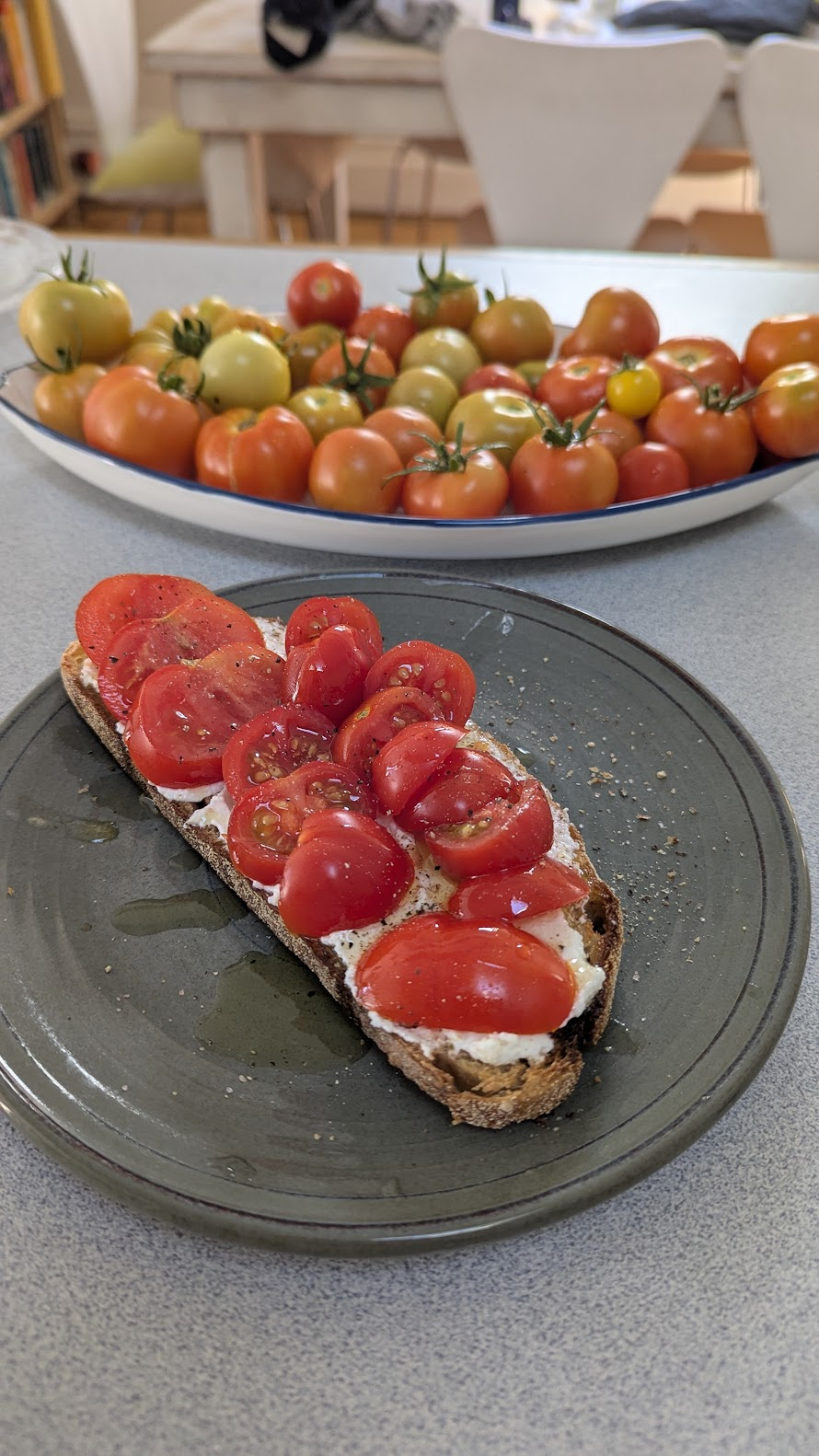
I’m going to say something that might ruffle a few feathers in the gardening community.
“Vine ripened” is mostly a food marketing myth. A conspiracy, formed in cahoots with the Melbourne gardeners’ number one nemesis – the possum.
The Possum Problem
If you garden in Melbourne, you know. Possums are bold, they are shameless, and they have absolutely no respect for the months of effort you’ve put into growing your tomatoes. They don’t even finish the whole fruit. They take one smug bite out of the biggest, ripest one on the vine – the one you’d been watching for weeks – and leave the rest on the ground like a mafia calling card.
(This is obvs not natural wildlife behaviour but a coordinated campaign to keep you dependent on supermarket tomatoes – I’m onto you Coles.)
When I first started growing tomatoes a decade ago (and got so demoralised I didn’t come back to it until this past year) I lost count of how many tomatoes I found half-eaten and destroyed on the soil beneath my plants. And every time it happened, the subliminal message was the same: it’s not worth all this effort and strife. Just buy the vine-ripened ones off the shelf. We’ve labelled them specially.
So this year, I started picking them early whilst they were still rather green. Not because I wanted to. Out of pure spite. And in doing so, I accidentally blew the whole operation wide open.
What’s Actually Happening When a Tomato Ripens
Once a tomato reaches what’s called the “breaker stage” – the point where it first starts to show any colour change, even just a hint of yellow or orange at the shoulders – it has already done everything the vine needed it to do. Its seeds are formed. Its job, from the plant’s perspective, is complete.
From that point on, the vine is not doing anything magical. The tomato is essentially ripening itself – producing ethylene gas, converting starches to sugars, softening, developing flavour. Here’s the kicker – it will do all of that just as well sitting on your kitchen bench as it will hanging on the plant.
The sugars, the flavour compounds, the sweetness – all of it develops after the breaker stage, and none of it requires the vine.
What the vine does provide, post-breaker, is exposure to sun, heat – and a handy little ladder straight to the tomato buffet for all the local hungry marsupials.
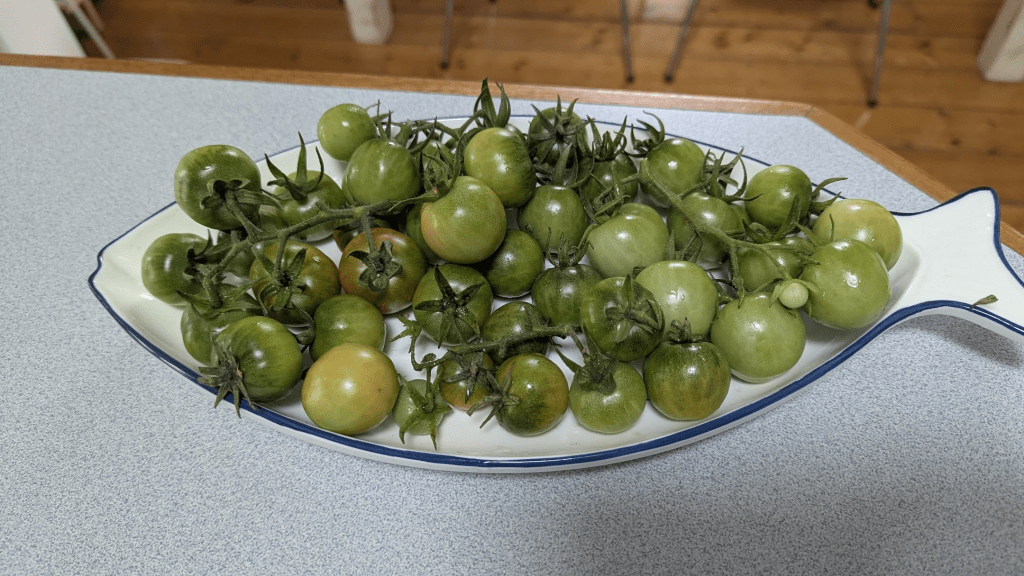
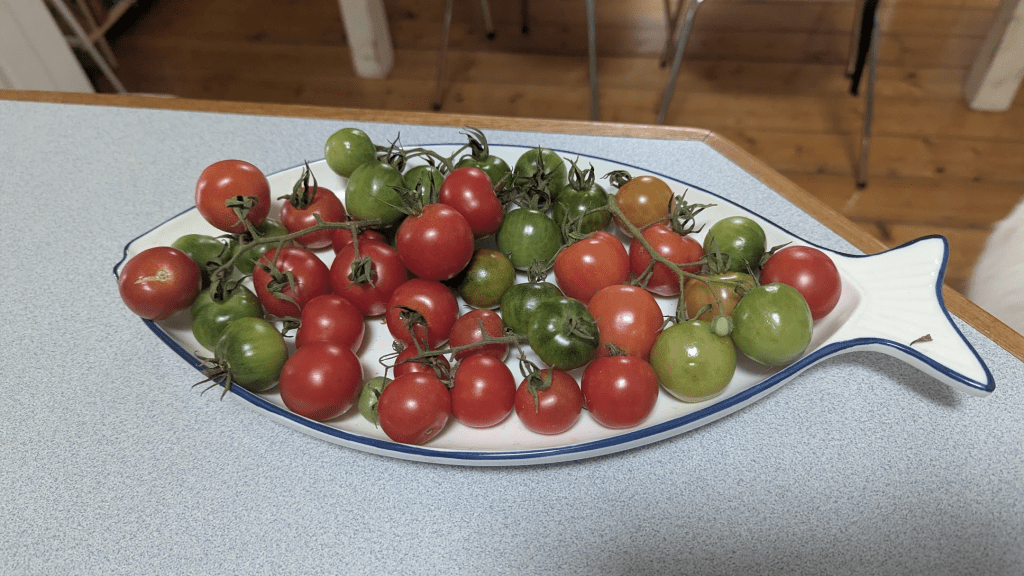
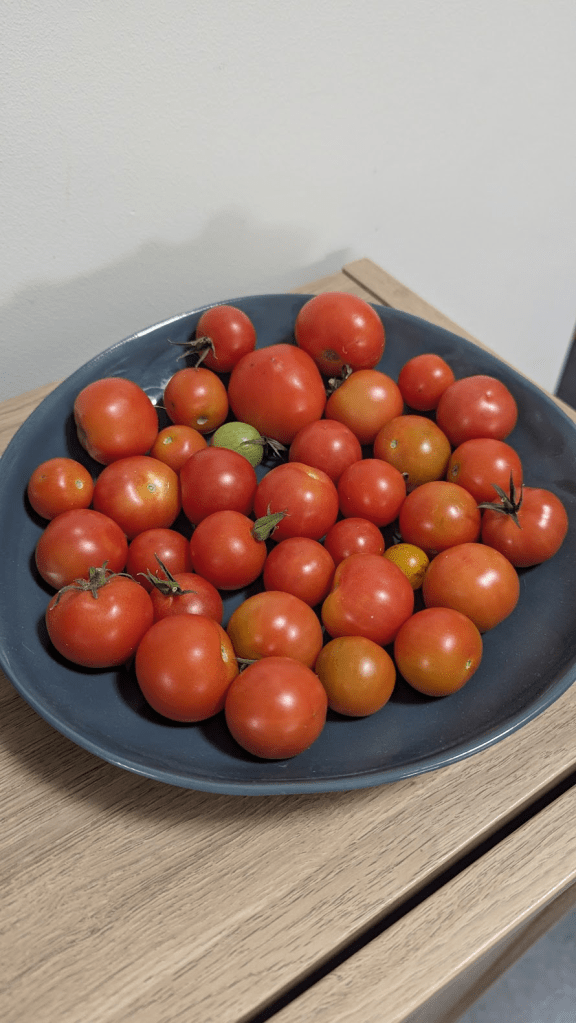
Don’t believe me? Check out the photos below. Exactly the same plate of freshly picked, untouched tomatoes, 7 days apart.
The “Vine Ripened” Conspiracy
Here’s how it works. Supermarkets pick tomatoes hard and green, weeks before they’re ripe, refrigerate them, gas them with ethylene to fake the colour, and deliver them to you pale, watery, mealy, and flavourless. Then – and this is the genius part – they label a slightly less terrible version “vine ripened” and charge you an extra dollar fifty for the privilege of believing you’re getting something special.
You’re not. You’re getting a tomato that was picked slightly less early and transported slightly less brutally. That’s it. That’s the conspiracy.
The implication that any tomato ripened off the vine is inferior – is what keeps the whole thing running. It’s what makes home gardeners feel like failures when they pick early. It’s what sends them back to the supermarket. And it’s what keeps the possums employed as enforcers, making sure you never get a vine-ripened tomato of your own long enough to question the whole narrative.
A tomato picked at the breaker stage and ripened at room temperature on your bench is not cheating. You’re just moving nature’s process indoors and away from the snatches of wildlife and impending heartbreak.
How I Do It Now
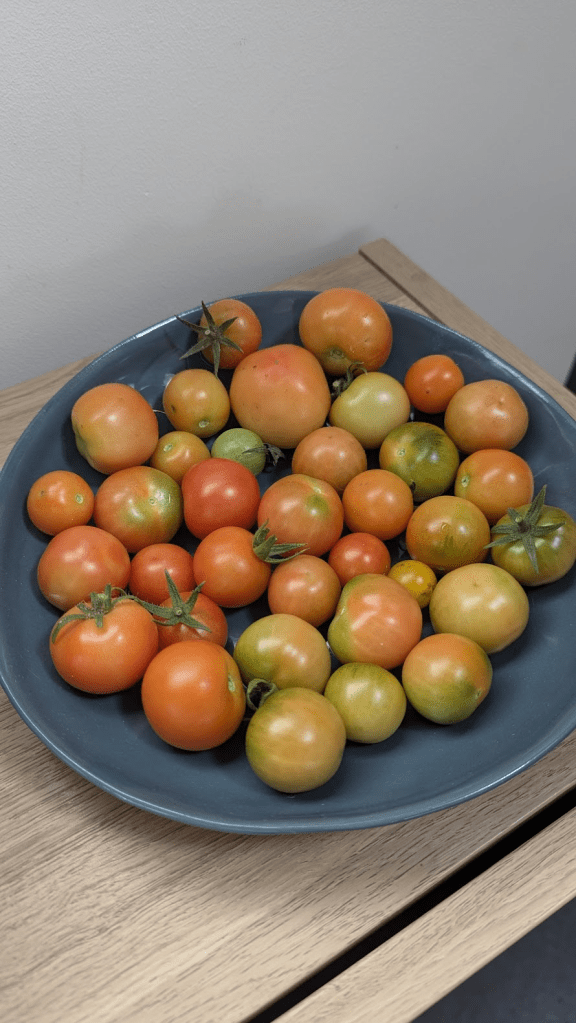
I pick any tomato that’s showing the first hint of colour (even if it’s still mostly green) and bring it inside immediately. I line them up on the kitchen bench (not the fridge – never store your tomatoes in the fridge, cold ruins tomatoes and I will not be taking questions on this) and leave them alone.
Within a few days to a week, depending on how far along they were, they ripen beautifully. Fully coloured, fragrant, sweet, and with that proper homegrown flavour that no supermarket tomato has ever come close to.
The possums, meanwhile, are left with an increasingly bare vine and a strongly worded message that the Urban Patch is no longer a sucker in their ponzi scheme.
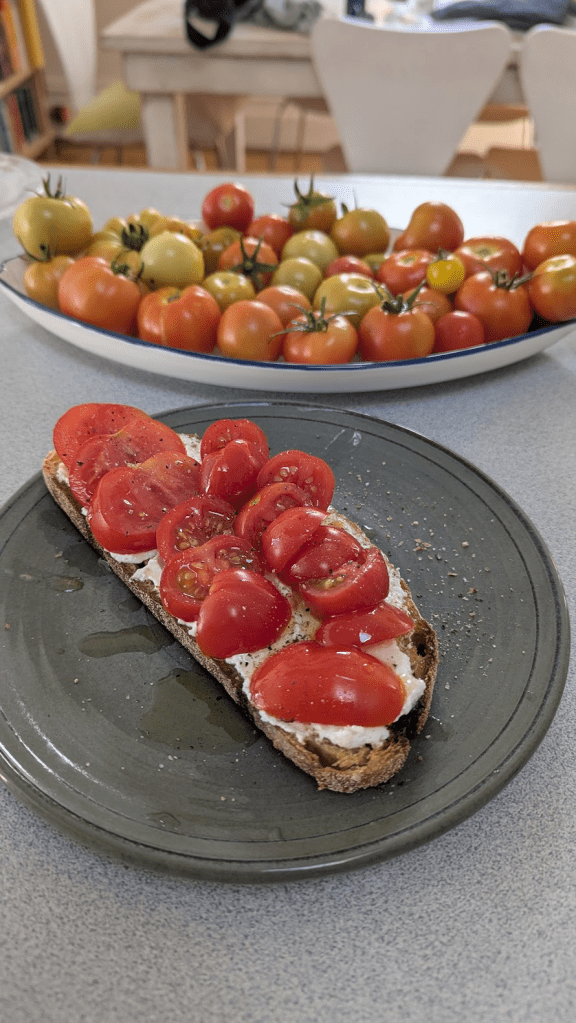
A few things I’ve found helpful:
- Don’t pile them on top of each other – they need airflow and ripen unevenly in a heap.
- Keep them out of direct harsh sun on the bench – a warm room is perfect, intense light dries them out.
- Never, ever refrigerate – cold breaks down the flavour compounds and ruins the texture. Room temperature only. Always.
- Check them daily – once ripe they move fast, and after all that hard work you want to snack them at their sweetest!
💡 My Urban Patch Take
A tomato you picked slightly early and ripened on the bench is infinitely better than a tomato that got one smug bite taken out of it at 2am by a possum on the Coles payroll.
Pick ’em early. Ripen ’em inside. Eat ’em triumphantly.
“Vine ripened” can stay on the supermarket packaging where it belongs, alongside “artisan” and “hand-selected” and all the other rubbish words that mean absolutely nothing.
The conspiracy ends here. Thank you for coming to my Ted Talk 🍅
Had your tomatoes raided by possums, birds, or other suspiciously well-organised wildlife? Tell me about it in the comments – I’m building a class action.
 The Urban Patch
Leave a comment