
Let’s be real: gardening can get expensive. By the time you’ve bought the pots, the premium potting mix, and the fancy organic fertilisers, that “free” home-grown tomato has cost you about $14.
But your kitchen bin is actually a goldmine. Before you head to Bunnings to drop twenty bucks on a bottle of seaweed tonic, check your pantry. Here is how to feed your patch using nothing but your leftovers – and more importantly, how to tell when your plants are actually asking for them.
🥗 The “Leafy Green” Fuel (Nitrogen)
How to tell you need it: Look for “General Paleness.” If your normally dark green kale or silverbeet is turning a sickly, light lime green – starting with the older leaves at the bottom – it’s starving for nitrogen. The plant is literally sucking energy out of its old leaves to try and keep the new ones alive.
- The Scrap: Used Coffee Grounds.
- The Method: Urban dwellers that we are have a surplus of caffeine. Take your used grounds (or ask at your local cafe!), let them dry out a bit, and scratch them into the top inch of your soil.
- Why it works: It’s a slow-release nitrogen boost that also improves soil texture. Plus, it’ll make your garden smell like a cafe, which is never a bad thing.

🍅 The “Fruit & Flower” Booster (Potassium)
How to tell you need it: The “Hedge Effect.” If your plant looks incredibly lush and leafy but isn’t producing a single flower, it’s got a potassium deficiency. Also, look at the leaf edges – if they look “burnt” or yellowing while the rest of the leaf is green, it’s time for a boost.
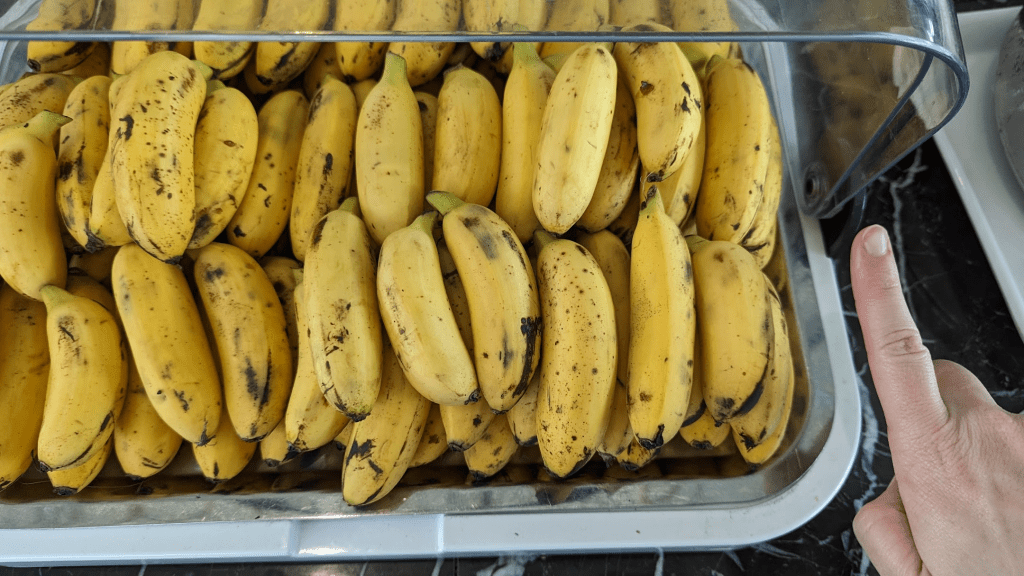
- The Scrap: Banana Peels.
- The Method: Don’t just throw them on top (unless you want a million fruit flies). Chop them up and bury them near the base of the plant, or soak them in a jar of water for 48 hours to make a “Banana Tea” for your pots.
- Why it works: It’s like a Gatorade hit for plants, giving them the energy to push out fruit instead of just more “hair.”
🥚 The “Strong Bones” Supplement (Calcium)
How to tell you need it: The “Black Spot of Doom.” On tomatoes, capsicums, or eggplants, if you see a sunken, leathery black patch on the very bottom of the fruit (opposite the stem), that’s Blossom End Rot. It’s a classic sign that the plant can’t build strong cell walls.
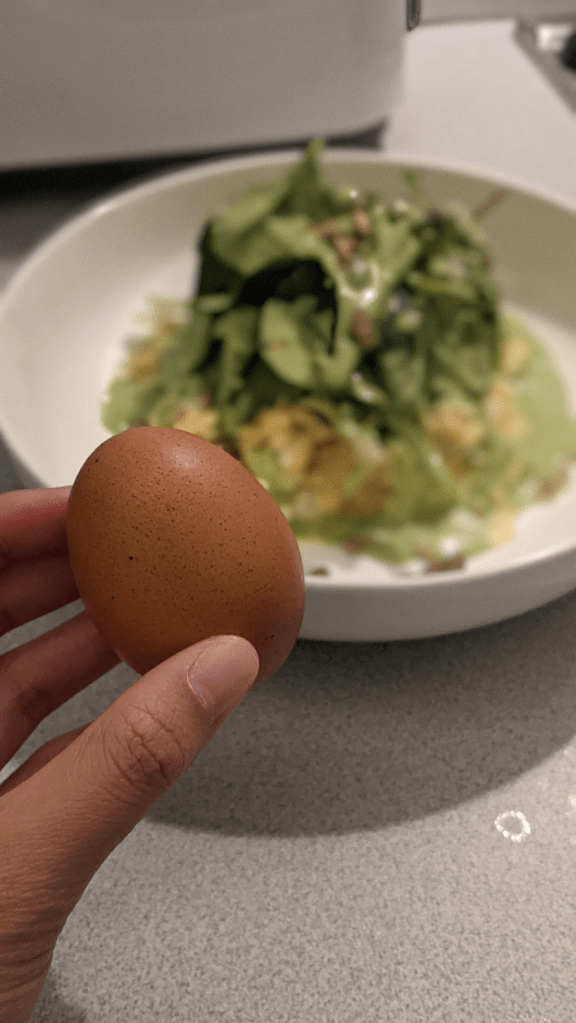
- The Scrap: Eggshells.
- The Method: Give them a quick rinse, let them dry, and crush them into a fine powder (I use an old rolling pin). The finer the powder, the faster the plant can actually “eat” it.
- Why it works: It strengthens the structural integrity of the fruit so it doesn’t collapse and rot before it ripens.
🍝 The “Microbe Snack” (Starch & Minerals)
How to tell you need it: “The Slow-Mo Garden.” If your plants aren’t necessarily “sick” but they just aren’t doing anything – no new growth, no changes, just vibing – your soil biology might be a bit stagnant.
- The Scrap: Unsalted Pasta or Veggie Water.
- The Method: Next time you boil potatoes or pasta, don’t tip the water down the sink. Let it cool down completely and use it to water your pots.
- Why it works: It’s a mild mineral broth that feeds the beneficial bacteria in your soil. Just make sure it’s unsalted – salt is the ultimate garden villain.

⚠️ Some Warning Labels
Not everything from the kitchen belongs in the garden. Keep these far away from your plants:
- Meat & Dairy: Unless you want every magpie and stray cat throwing a party in your courtyard, keep the bacon fat out.
- Oily Leftovers: Oils can coat the soil and actually “suffocate” the roots.
- Salty Scraps: Salt will kill your plants faster than an Aussie heatwave.
💡My Urban Patch Take
There is something so satisfying about closing the loop and turning “rubbish” into a harvest. It’s better for the planet, better for your wallet, and your plants will honestly thank you for the variety.
Have you noticed any of these symptoms in your patch lately? Which kitchen “fix” are you going to try first?


Leave a Reply