
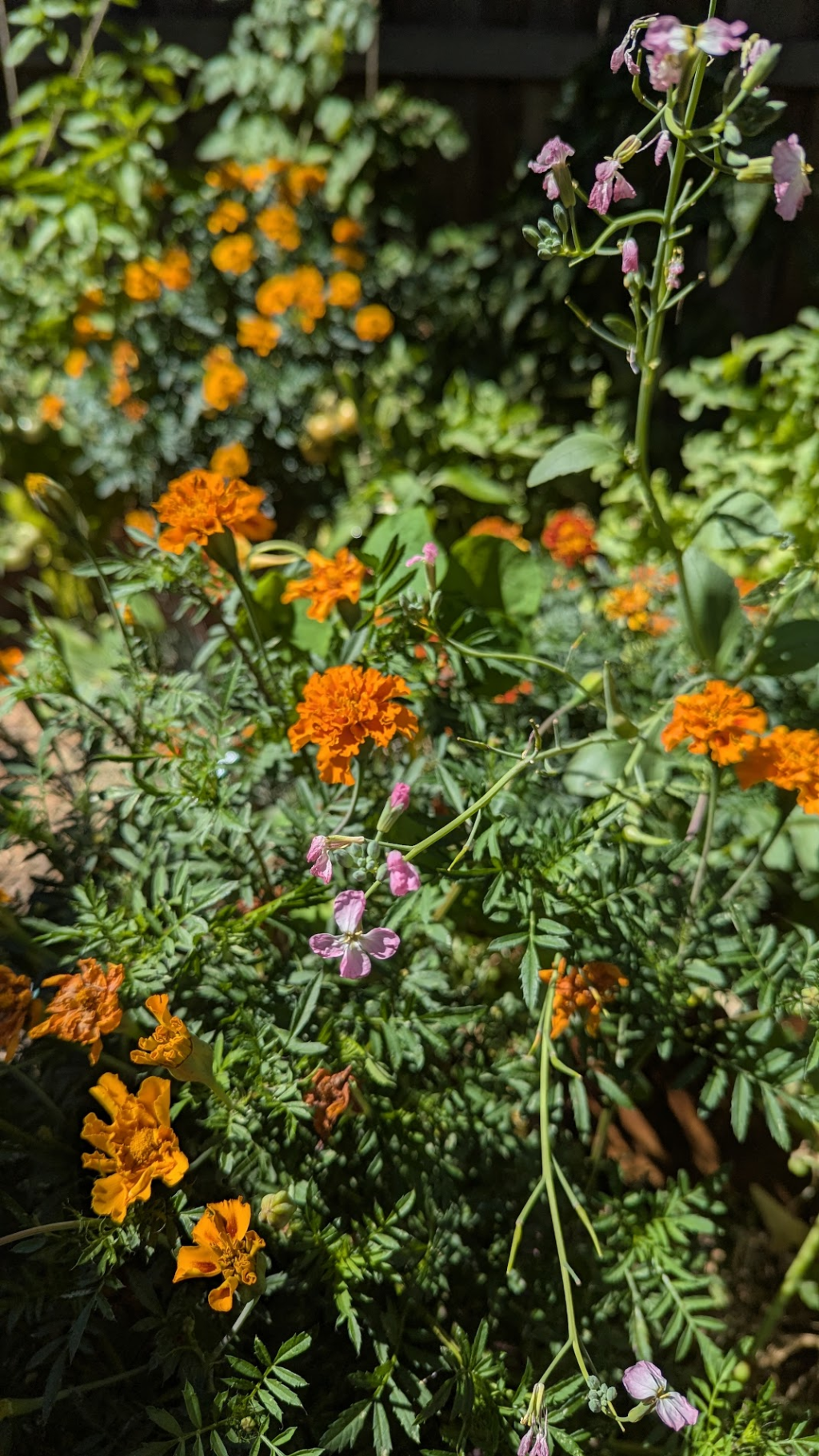
Here’s something that took me a few goes to learn: veggies and herbs are not loners.
For ages I was planting things in tidy, sensible rows – tomatoes here, basil there, a sad little patch of lettuce doing its best over in the corner. Everything looked organised. Everything looked fine. And yet, every time: aphids on the dill, caterpillars decimating the radishes, and a general sense that everyone was just…struggling.
Turns out, I was treating my garden like a spreadsheet when I should have been treating it like a dinner party.
Enter: companion planting. The ancient, dead-simple, brilliant practice of growing certain plants next to each other on purpose.
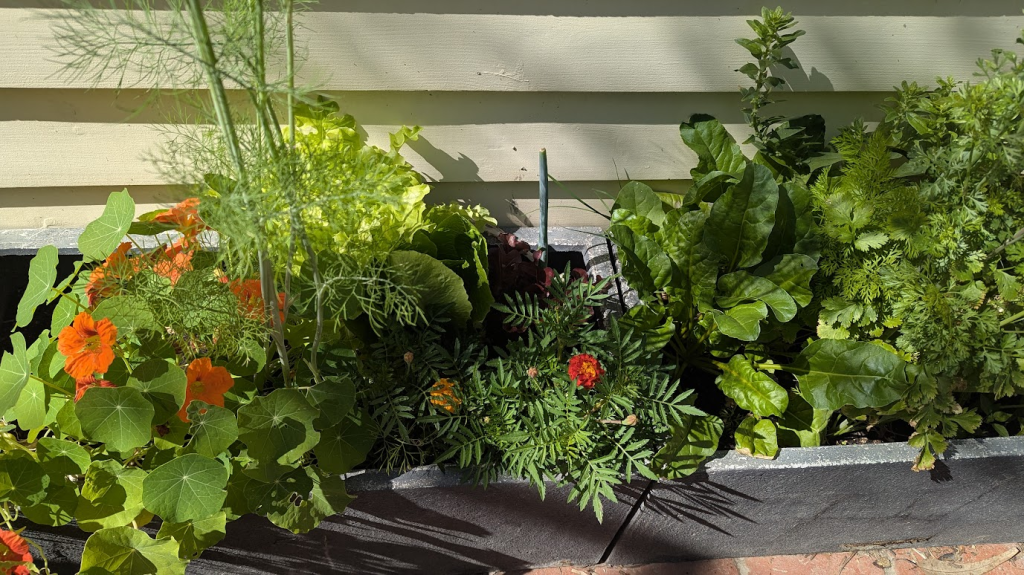
So What Actually Is Companion Planting?
In short: it’s strategic plant friendship.
Some plants repel pests. Some attract beneficial insects. Some improve the soil for their neighbours. Some physically create shade or shelter that another plant desperately needs. Which makes complete sense when I thought about it more – veggies in nature aren’t planted in siloed, perfect rows at equal distances apart. So why do we do it at home? (Short answer is at-home gardening instructions are typically copied from commercial farming where it’s all about scale and pesticides.)
It’s all about setting up a healthy little ecosystem in your backyard and it’s one of the easiest hacks you make to upgrade your gardening game!
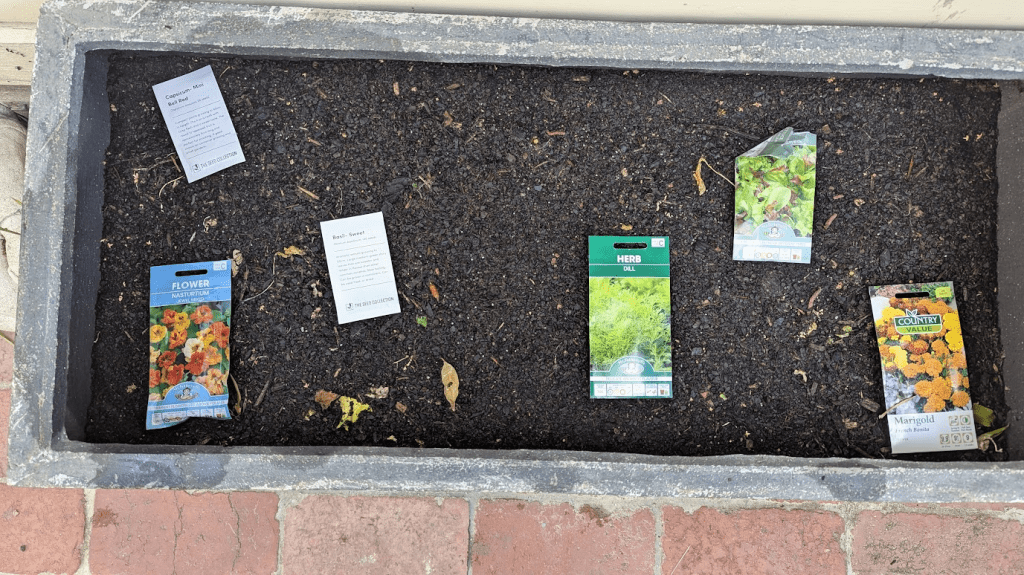
What combos work best?
Here’s a quick look at some common combinations:
| 🌱Plant | 👫Good mates |
|---|---|
| Basil | Tomatoes, capsicum, chilli, parsley |
| Beetroot | Lettuce, onions, garlic, silverbeet |
| Beans | Carrots, cucumber, corn |
| Brassicas (broccoli, cabbage, cauli) | Dill, nasturtiums, celery |
| Carrots | Spring onions, chives, lettuce |
| Cucumber | Dill, nasturtiums, beans |
| Dill | Brassicas, cucumbers, lettuce |
| Lettuce | Chives, dill, strawberries |
| Spinach | Peas, garlic, brassicas |
A Few Handy Rules of Thumb
If it tastes good together, it will grow well together. One of the easiest ways to get your head around companion planting is this: if it tastes good together on the plate, there’s a good chance it grows well together in the patch. Tomatoes and basil, peas and mint, potatoes and beer – okay, maybe not that last one. But the logic holds more often than you’d expect, because plants that share similar growing conditions and soil preferences have a long history of thriving side by side. It’s not a guarantee, but it’s a great place to start.
Alliums are your general-purpose pest deterrent. Garlic, onions, chives, spring onions – anything in the allium family has a strong scent that confuses and deters a huge range of pests. If you’re not sure what to plant next to something, a border of chives is almost never a wrong answer (or save those spring onion roots from your next supermarket bunch and drop those in amongst your pots). The exceptions are beans and peas, which alliums genuinely stunt – keep those apart.
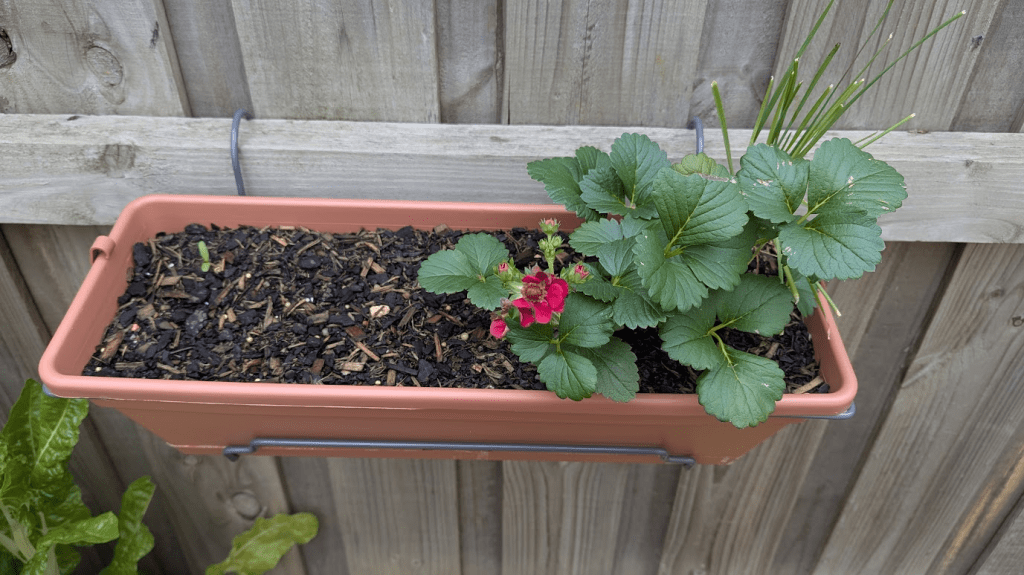
Mint goes in its own pot. Always. Mint is wonderful. Mint is also absolutely feral and will take over your entire patch if you plant it in the ground. It spreads via underground runners and shows zero remorse – think of it like AI taking over the world, but slower and smelling significantly better. Keep it contained in a pot – you can still place the pot near other plants to get the pest-deterring benefit of the scent, but do not let it loose in a shared bed.
Think about where your produce came from. Rosemary, oregano, thyme, and sage are all Mediterranean natives – they evolved in hot, dry, rocky conditions with poor soil and not much rain. Planting them next to thirsty vegetables like lettuce or zucchini and watering everything the same way is a recipe for sad, waterlogged herbs and a lot of frustration. As a general rule, Mediterranean herbs make better border plants or standalone pot companions than bed-mates with high-water-demand veggies. When in doubt, think about the climate the plant called home before it ended up in your courtyard and try and emulate that.
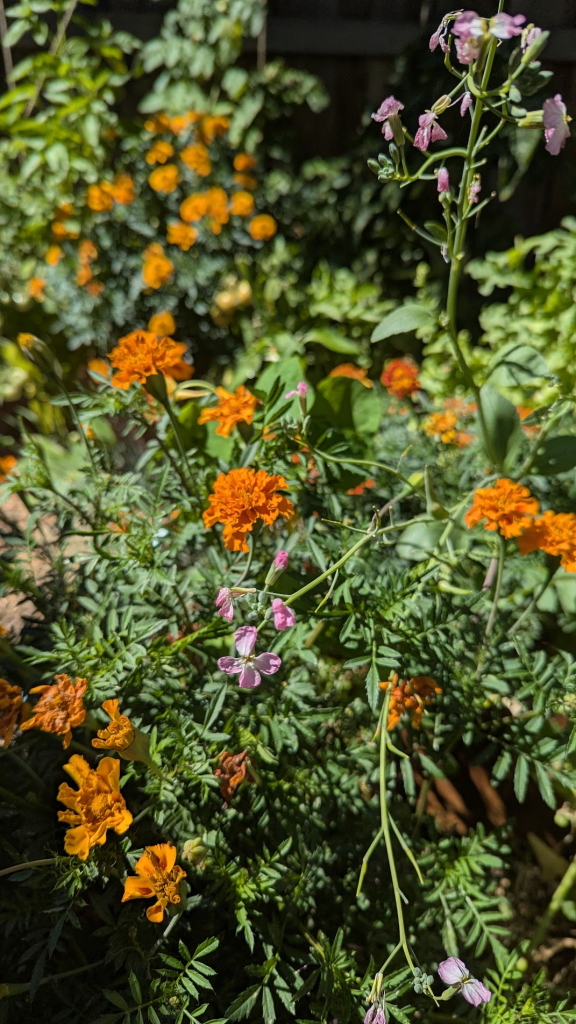
Let some things flower. Herbs like basil, parsley, coriander, and dill are usually pulled the moment they start to bolt. But those flowers are incredibly valuable – they attract pollinators and predatory insects that protect everything around them. Let a few plants go to flower on purpose. Think of it as paying it forward for the rest of the patch.
💡My Urban Patch Take
Companion planting is one of those things that sounds complicated until you actually start doing it – and then it becomes second nature. You start thinking in plant relationships instead of plant rows, and the whole garden feels more alive for it.
Your plants have been trying to tell you what they need. Turns out, mostly? They just want some good company. Don’t we all!
Happy growing 🌿
Which companion planting combo are you keen to try first? Or do you already have a favourite pairing in your patch? Drop it in the comments – I’d love to know what’s working for you!
 The Urban Patch
Leave a comment