
There’s something very grounding about growing peas. While the world outside the garden can feel noisy and unsettled, the rhythm of planting, watching vines climb, and picking crisp pods has been a steady reminder that small, simple things still work.
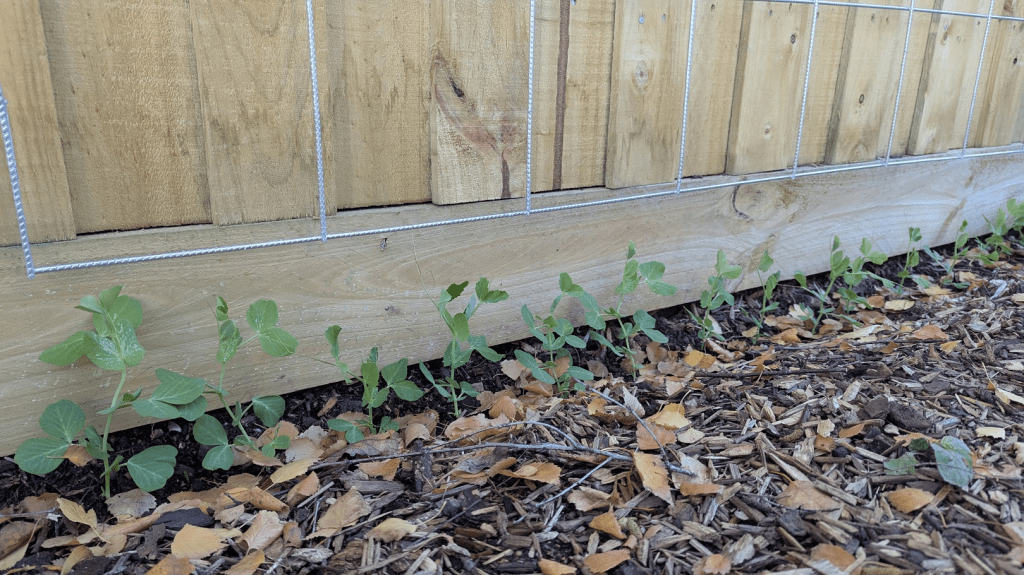
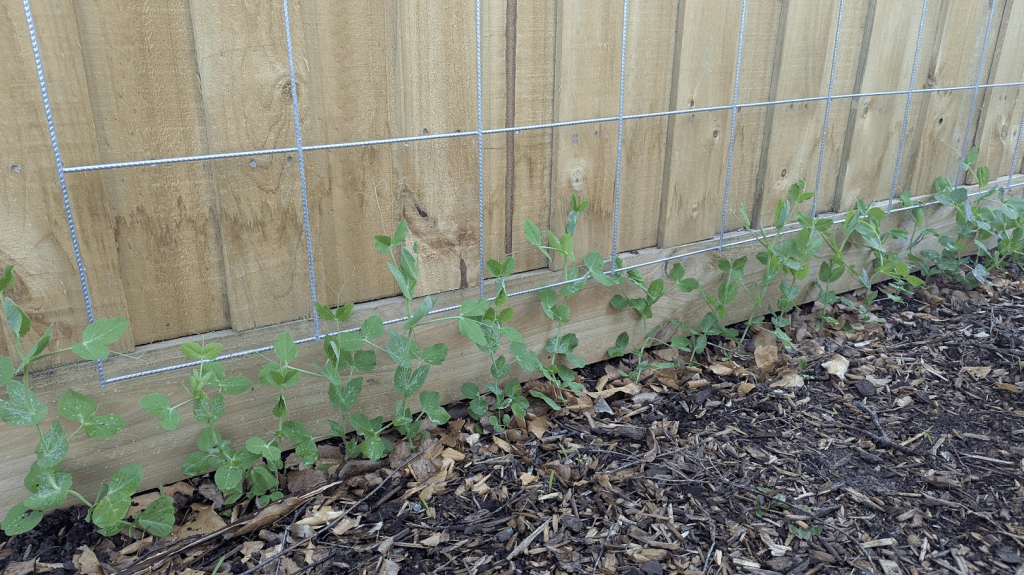
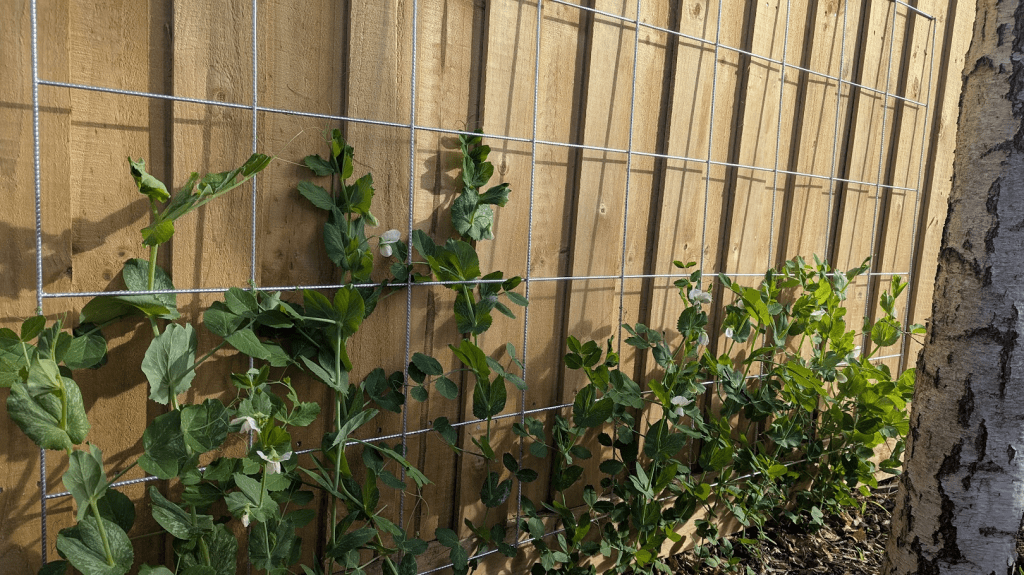
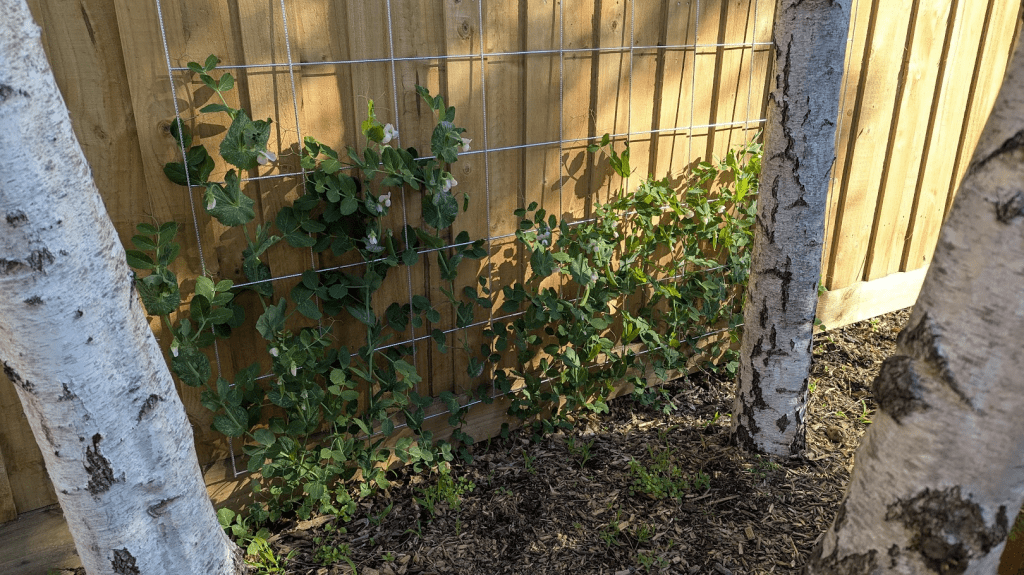
Two months ago, I sowed both sugar snap and snow peas into containers for transplanting, and they’ve been a joy to watch. From the first little shoots nosing out of the soil to the transplanted vines steadily climbing the trellis I set up (the Jack Grip And Grow Wall Frame Plant Trainer for those who want to copy the setup), the process has been both productive and oddly calming.
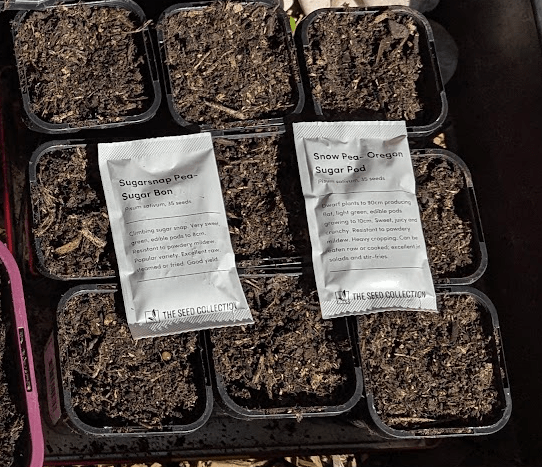
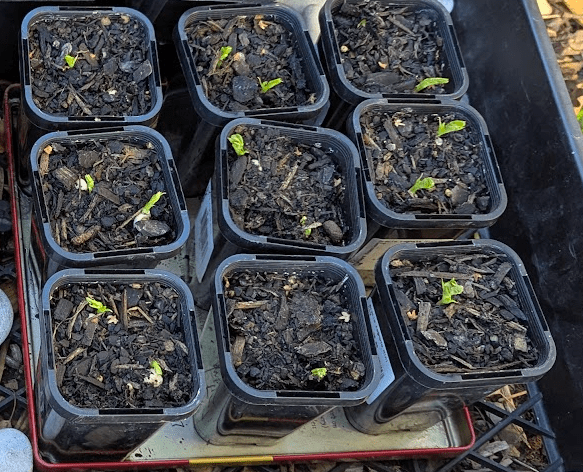
Snow peas bring delicate, tender pods perfect for stir-fries, while sugar snaps are crunchy and sweet enough to eat straight off the vine. Both have been surprisingly generous, and picking them daily has been a highlight of the season.
Growing Tips for Peas in the Urban Patch
- When to plant: In Melbourne, peas do best from late autumn through early spring. They’re cool-season crops and will start to struggle once the summer heat sets in (I cheated and started during late winter, betting on an unseasonably warm end of season)
- Trellis support: Even dwarf peas want something to climb. Use a sturdy trellis like the Jack Grip And Grow Wall Frame Plant Trainer – 1.5–2m high is ideal for climbing types. The more support, the less tangled they’ll get and the easier they’ll be to harvest.
- Watering: Keep soil consistently moist, especially once flowers and pods appear. Avoid waterlogging – peas don’t like “wet feet.”
- Soil health: Peas enrich your patch by fixing nitrogen in the soil. At the end of the season, cut the plants back at ground level and leave the roots in place to break down naturally. This sets the stage perfectly for the next crop (hellloooo nitrogen hungry tomatoes!)
- Harvesting: Pick regularly. Snow peas are best when the pods are flat but tender, while sugar snaps should be plump but not tough. Harvesting often encourages the plants to keep producing.
Common Problems (and How to Fix Them)
- Yellowing leaves: Often caused by overwatering or poor drainage. Check your soil and water only when the top feels dry.
- Powdery mildew: A common late-season issue, especially in humid weather. Improve airflow by spacing plants well and avoid wetting the leaves when watering. If mildew appears, remove affected leaves and try a homemade spray of milk and water (1:10 ratio).
- Plants stop flowering early: This usually happens when temperatures rise too much. Unfortunately, peas are cool-season plants – once it gets hot, they’ll naturally wind down. The solution: enjoy them while they last, then plan your summer crops.
- Pods toughening up: A sign they’ve been left on the vine too long. Pick earlier next time to enjoy them at their best.
What Comes Next in the Bed?
Once the pea season wraps up, the bed they leave behind is pure gold. Thanks to their nitrogen-fixing roots, the soil is primed and enriched – perfect for hungry summer crops like tomatoes. Rotating from peas to tomatoes isn’t just efficient, it’s classic good gardening practice. The peas set the table, and the tomatoes come in to feast.
I’ll be cutting the pea vines back, leaving the roots in the soil, and setting up the bed for my summer tomato crop. It feels like a natural handover – one crop making way for the next, each playing its role in the patch.
A little more green on the trellis now, and soon a tangle of tomato vines in summer – what could be better than that, here’s to my wish for world peas!

 The Urban Patch
Leave a comment