
The internet and gardening communities can make things very complicated. Do you have the right fertiliser composition, sun direction, companion plants etc. But the truth is, whether you’ve got a sunny balcony, a scrappy courtyard, or just a windowsill and some hope, there’s really only four basic things every edible garden needs:
- 🌱 The Plants
- 🪣 Their Home
- 🪱 The Dirt
- 🌞 The Environment
I’ve broken down each into a ✅“Must Have” and an 🫖“Optional, Don’t Sweat It Yet” section – the goal here is to just get started and you can add more things as you learn!
🌱 1. The Plants – What To Grow First

What are you going to grow? Start with one or two easy edibles you actually like to eat – think herbs, greens, or cherry tomatoes. You’ll learn as you grow (and probably kill a few along the way – it’s all part of the fun).
✅ Must Have – Easy Edibles You’ll Actually Eat
- Pick 1–3 plants you actually like to eat (e.g. basil, lettuce, parsley)
- Choose easy, forgiving plants like herbs or leafy greens – check out our Beginner Friendly Plant recommendations
- Buy seedlings (baby plants) from the nursery to keep things simple and get growing fast
🫖 Optional Extras
- Growing from seed (it’s cheaper, but trickier)
- Companion planting or plant families
- Heritage varieties (cool, but not essential)
- Planning out your whole harvest for the year – just start with something now
💡Urban Patch Tip: It’s way more motivating to start with something that grows fast. Herbs or lettuces can be ready for harvest in a few weeks. A capsicum? She’s more of a long-game diva.
🪣 2. Their Home – Containers Are a Flexible Urban Home
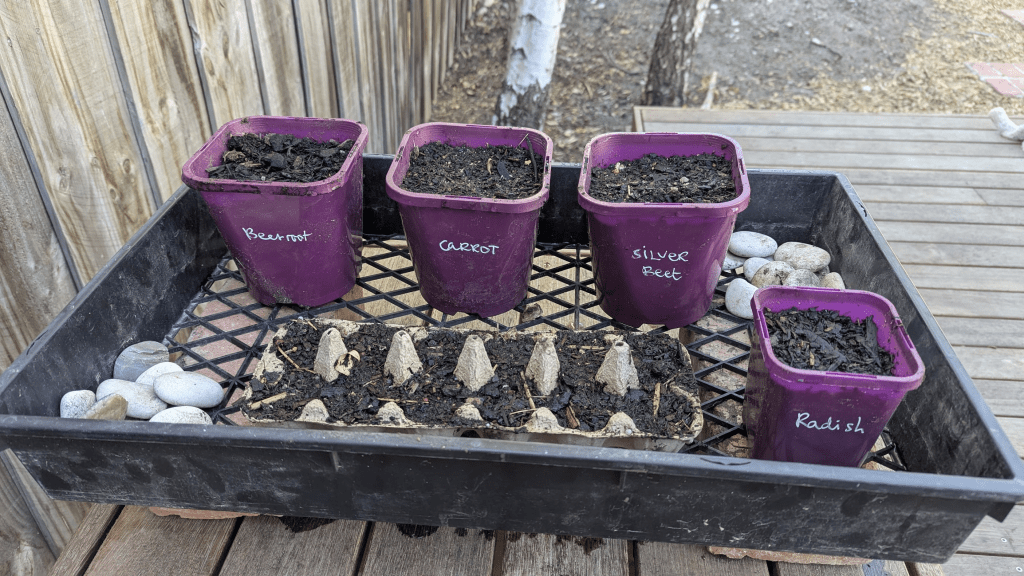
Your plant needs a home – either a container, or straight into the ground. Every plant needs a place to put down roots – whether that’s a pot on your balcony or a patch of soil in your backyard, the right home makes all the difference.
🌿 Option 1: In a Container
Great for balconies, rentals, or when your soil is basically just construction rubble. Also great for moving around to catch the sun.
✅ Must Have
- A pot or bucket with drainage holes
- Big enough for roots – about the size of a loaf of bread for herbs
- Potting mix (not garden soil)
🫖 Optional Extras
- Pretty matching pots
- Raised garden beds
- Self-watering or vertical planters
💡Urban Patch Tip: Almost anything can be a pot if water can drain out and your plant fits. Yep, even a recycled Farmers Union yoghurt container with holes poked in the bottom! Oh – also label your container if you’ve got a few on the go so you know what you’ve planted…nobody wants to excitedly harvest their coriander and realise too late it’s actually parsley.
🪱 Option 2: Straight into the Dirt
If you’ve got earth, use it! But think like a plant: is this a good spot to live?
✅ Must Have
- A spot with at least 4–6 hours of sun
- Somewhere not too compacted – avoid old driveways or rocky rubble
- Clear access to water (tap, hose, or watering can nearby)
- A space you can walk around and reach without stepping on all your plants
🫖 Optional Extras
- Fencing or barriers if you’ve got pets (looking at you, Odie 🐶)
- Defined borders with bricks, wood, or edging
- A path using stepping stones or mulch to avoid compacting the soil
- A garden layout plan (you’ll probably change it anyway)
💡Urban Patch Tip: The best garden bed is the one you’ll actually visit. Pick a spot you walk past often – you’ll remember to water, weed, and harvest more often.
🪱 3. The Dirt – Use the Right Soil from Day One

Healthy plants need healthy soil. Whether you’re filling a pot or digging a patch in the backyard, healthy dirt is the unsung hero of your garden. Good soil = happy roots = tasty harvests.
🌿 Option 1: You’re Using Pots or Containers
✅ Must Have
- Use potting mix, not garden soil (it’s lighter, drains well, and your plant roots can breathe)
- Check that it’s labelled for edibles or vegetables if possible
🫖 Optional Extras
- Add a handful of compost or worm castings to boost nutrients
- Mix in a bit of perlite or coir if your mix feels too heavy
- Buy the fancy organic stuff (it’s great, but not required)
💡Urban Patch Tip: Start with basic potting mix. Your plants won’t know if it came from the budget aisle or the premium blend.
🌏 Option 2: You’re Planting Straight into the Ground
✅ Must Have
- Test your soil:
- Dig down and feel it. Does it crumble like chocolate cake? You’re golden.
- If it’s clay (sticky and heavy) or sandy (drains too fast), you’ll want to mix in some organic matter
- Add compost if you can – even just a bag or two will help
- Clear the area of weeds and grass before planting
- Loosen the soil – use a fork or spade to break it up so roots can grow easily
🫖 Optional Extras
- Soil testing kits to check pH or contamination
- Mulch to retain water and keep weeds down
- A layer of worm castings or aged manure
- Raised beds (if the soil’s really rough)
💡Urban Patch Tip: Don’t stress if your soil isn’t perfect. Just loosen it, add some compost, and get planting. Nature’s been growing stuff in dirt long before garden centres existed.
🌞 4. The Environment – Sun, Water, Weather
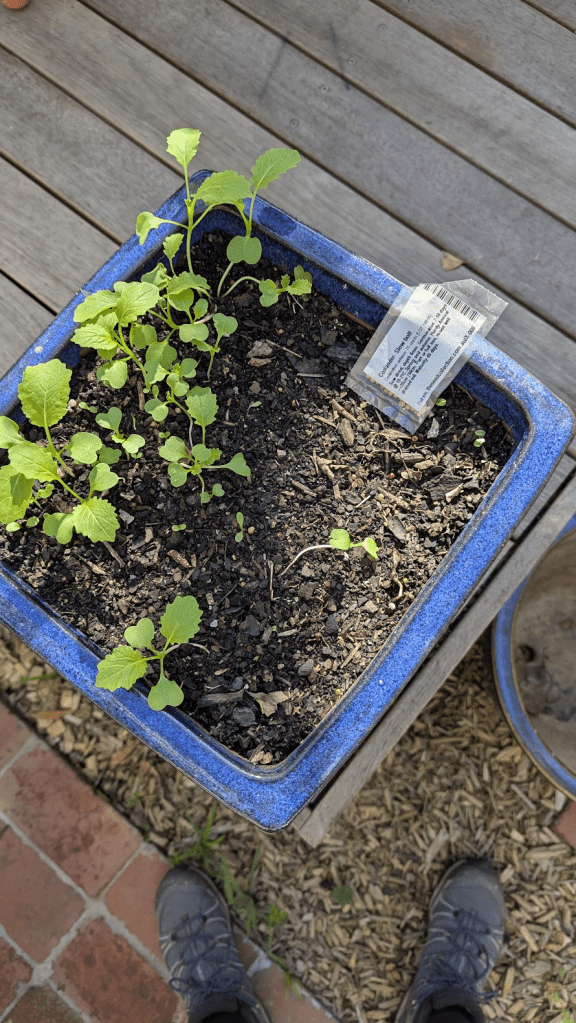
Where you place your plant makes a big difference. Sun, water, wind, and temperature all shape your plant’s chances – understanding your little microclimate can turn guesswork into growth. But the biggest factor? The sun.
✅ Must Have – Did We Mention The Sun?
- At least 4 hours of sun a day (most herbs and veggies love sun)
- Water your plant regularly (every 2 days, or when the soil is feeling dry) – stick your finger into the soil up to your first finger joint to check the soil is actually wet, not just the surface of the soil
- A spot where you’ll see it daily (so you don’t forget it exists)
🫖 Optional Extras
- Wind protection or shade cloth
- Water timers or irrigation systems
- Pest management plans (just keep an eye out for now)
🎉 That’s It — You’re Officially a Gardener
You don’t need a “green thumb” or a perfect setup. You just need:
- A plant
- A container
- Some soil
- A sunny-ish spot
And a little curiosity.
Mistakes are part of the process. Plants will wilt. The dog might dig one up. But something will grow – and when it does, you’ll never look at a salad the same way again.
See our recommendations for Beginner Friendly Plants, or check out our Guide to Getting Started on a Budget to see how to get going with just $20!
Happy growing!
— L (and Odie 🐾)

 The Urban Patch
Leave a comment